
Blown-in insulation in State College, PA - even coverage over a sealed attic floor
Hot upstairs rooms, a drafty top floor or a high power bill? We seal the gaps, then blow in even coverage edge to edge.
- Licensed and insured.
- Free quotes on site.
- Replies within 1 business day.
Is blown-in insulation the right fix for my attic?
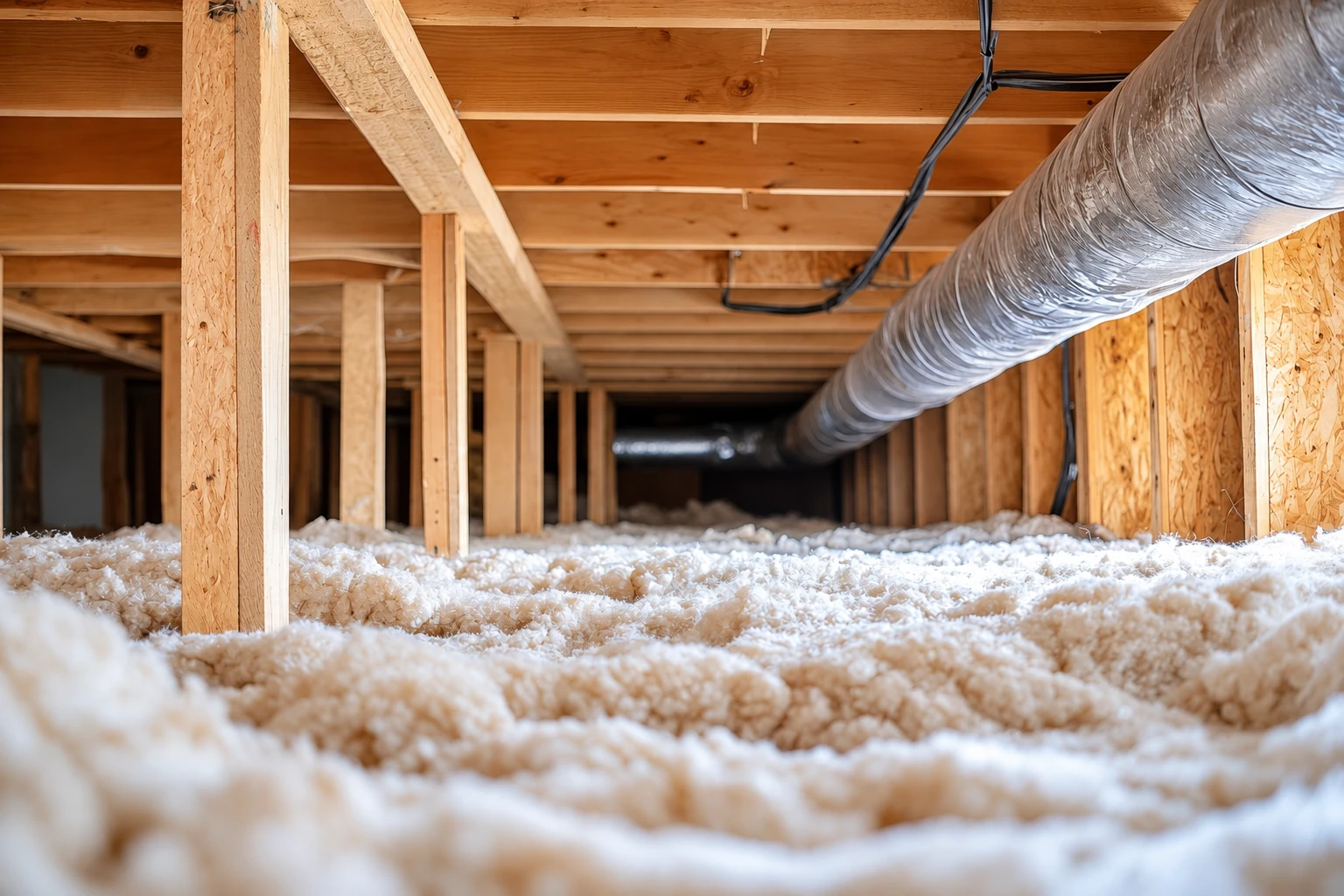
Blown-in insulation is loose fiberglass, rock wool or cellulose blown through a hose across your attic floor, and for most State College, PA homes it's a practical way to get even coverage into every corner, as long as the gaps underneath are sealed first.
Most calls for this start with something you can feel, like a bedroom that's hot all summer, a drafty top floor or a power bill that keeps climbing. When I go up, there are usually a few settled inches of old insulation and open gaps around pipes, wires and the hatch, which is why we often pair this job with attic air sealing. The price moves with the size of your attic, how much is already up there, how much sealing it needs and whether old material has to come out, and the schedule turns mostly on that prep and on whether your address needs a permit. I'd want to see your attic first, and the written estimate gives you the figure for your own house.
What our blown-in insulation work includes
When I come out, I'll show you how blown-in compares with batts for your attic so you can weigh the cost against the coverage, and we'll talk through fresh air and any gas or oil appliances in the house before anything starts. Our installers then seal the gaps in the attic floor around pipes, wires, can lights and the hatch, and put metal collars and blocking around hot flues and covers over the recessed lights that need them, because insulation blown over open gaps just ends up fighting a draft. Then we blow the loose fill across the whole floor, making sure the edges over the eaves get as much as the middle, since thin coverage at the edges is one of the most common misses. When we finish, we leave a written note by the attic entrance that records what went in and where.
Blown-in only works if what's under it is sound. When the old insulation is soaked, full of droppings or otherwise past saving, insulation removal comes first, because new fill over a bad layer keeps the problem in your attic. If the attic is only one of several cold spots, our home insulation work looks at the whole house so your money goes where it helps most.
Topping up an attic in good shape
This suits attics where the old insulation is dry and clean but has settled thin, because we can seal the gaps and blow fresh fill right over it. It's usually the less costly route, since nothing has to come out first.
A fresh start after old insulation comes out
This suits attics with wet, dirty or damaged insulation, or a floor with so many gaps that sealing is easier with it bare. It costs more, but the sealing gets done properly and the new fill goes onto a clean floor.
Blown-in insulation permits and older attics in State College
Whether a job like this needs a permit isn't something I'd guess at, so we check with the office that covers your address before work begins. In State College, building permits come from Centre Region Code Administration, which takes permit questions at 814-231-3056, and the city requires a zoning permit before any structure is erected, altered, demolished or built. The city's Planning Department staff review building permit applications to decide whether a zoning permit is needed, and zoning approval has to come before a building permit can be approved. Where a permit applies, we prepare the paperwork, walk you through it and keep you posted on where it stands.
The attics I see most around State College are in older houses where the insulation has settled thin, the edges over the eaves are nearly bare and years of wiring and fixtures have left holes in the attic floor. We plan the sealing around that before any fill goes in, and we find the same kind of attics on jobs in Bellefonte and Tyrone.
Why homeowners around State College call us for blown-in insulation
I write every estimate myself
I come out to look at each attic and write the estimate myself, then our installers do the work and I check it with you before we finish. You deal with the same person from the first look to the final walk-through, so nothing gets lost between the estimate and the job.
Years running jobs before 2023
Before I started this business in 2023, I spent several years as the right hand to another insulation contractor in this area, running jobs and learning the work in the attic itself. That's where I got to know the drafty older houses around here and why the order of the work matters as much as the material.
Licensed and insured for your attic
We're licensed and insured. That matters when a crew is working above your ceilings, because you shouldn't be the one carrying the risk of someone else's work.
If your upstairs runs hot or the attic floor looks thin, please get in touch and I'll come out to take a look.
Request a quoteGet a written estimate for blown-in insulation in your attic
We reply within one business day to set a time that suits you. I come out for a free look at your attic, go over what I find with you, and then write up an estimate you're free to take or leave, with no obligation.
What happens after you call us about blown-in insulation
Call or send the form
Call (814) 996-0002 or fill in the form, and we'll set up a visit at a time that works for you. It helps to know roughly how old the house is.
I look over your attic
I check what's up there and how well the floor is sealed, and go over what I find with you before anything is written up. You then get a written estimate showing what we'd seal, what goes in and the price for your house.
Installers do the work
Where a permit applies, we take care of that side first, then our installers seal the gaps and blow in the fill. Before we call it finished, I check the work with you.
Frequently asked questions
Is blown-in insulation cheaper than batts for an attic?
Usually, yes. Blowing loose fill into an attic is usually less expensive than laying batts and covers the attic more fully, because it settles around joists, wires and odd corners that batts tend to leave open. Installation costs still vary from house to house, so I'd want to see your attic before saying so for certain.
How much does blown-in insulation cost in State College?
Blown-in fiberglass insulation in State College usually costs about $850 to $4,100 for 1,000 square feet of attic, which is the going rate in the area and not a quote from us. Where your attic lands in that range comes down to the things that move any insulation price, such as how much is up there now and how much sealing it needs first. Your written estimate gives you the figure for your house.
What should I do if my attic has vermiculite insulation?
Leave it alone and tell us before any work is planned. The EPA says to assume vermiculite may contain asbestos and recommends leaving it undisturbed, and if you decide to have it removed, it advises hiring a trained, accredited asbestos abatement contractor that's independent of whoever assessed it. Our crew won't blow insulation over it or stir it up, and I'll talk through your options with you first.
How do I get my attic ready for blown-in insulation?
The most useful thing you can do is tell us about anything up there that has to be dealt with before it gets covered. That means old knob and tube wiring that may still be live, a bathroom fan venting into the attic, a roof leak, or an unvented kerosene heater or gas fireplace in the house. A clear path to the attic hatch helps too, and I'll check the rest when I come out.
How long does blown-in insulation take, and do we have to leave the house?
Blowing the insulation in is usually the quick part, and most of the time in your attic goes to sealing gaps and prep, which varies a lot from house to house. Whether anyone should be out of the house, and for how long, is something I talk through with you before we start, along with fresh air and any gas or oil appliances. I'd rather give you a real answer for your house at the estimate than guess.
Will blown-in insulation block my attic vents?
Not when it's done right, and keeping them clear is part of the job. Soffit, ridge and gable vents and combustion air ducts are openings meant to move air, and they only work if they stay open, so we seal the gaps in the attic floor and leave those vents clear. A buried eave vent can stop the attic from breathing and lead to moisture in the framing.
Other work that often goes with blown-in insulation
Home insulation
When the attic is only one of several cold spots, a look at the walls, basement and crawl space shows where your next dollar of insulation will do the most for comfort.
Insulation removal
If the old attic insulation is wet, stained, smells or has signs of animals, clearing it out gives the air sealing and new fill a clean floor to start from.
State College, PA
Book your blown-in insulation estimate
A rough idea of your attic's size and what's up there now helps me come prepared for the visit.